

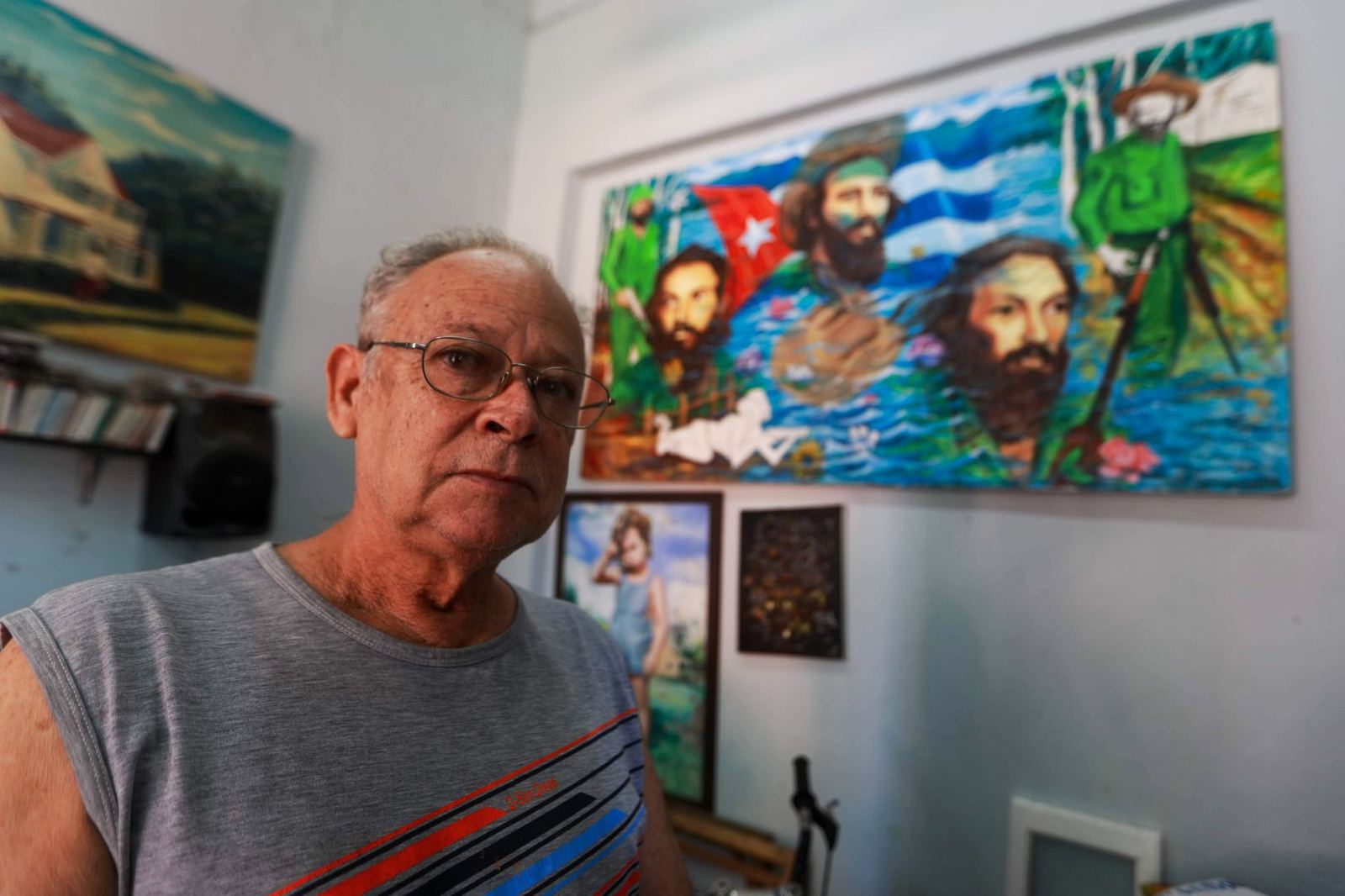
The financial value of art is unpredictable; lasting collections are built on passion, knowledge and patience.
The question prospective collectors most often ask is: 'Is art a good investment?' Our honest answer: sometimes yes, often uncertain. This article is not financial advice; it only explains how the art market works and which principles help when building a collection.
Why is the art market unpredictable?
Unlike shares or gold, every artwork is unique and has to find a particular buyer. Liquidity is low: converting a work to cash quickly is not always possible. Transaction costs such as auction commissions, taxes and shipping also reduce returns.
What determines value?
The artist's career and institutional recognition, the work's quality, size, period and provenance, the quantity produced and its place in collections all affect value. Works that have been exhibited in museums, published and documented hold a firmer position in the long run.
Start with passion, proceed with knowledge
The common thread among successful collectors is that they see a work not as an 'investment vehicle' but as part of their lives. Choose a theme: a particular period, technique or geography. Read, visit museums and exhibitions, and talk to artists.
Diversify, then focus
Rather than putting the whole budget into one work, you can build a portfolio of works at different price ranges. Emerging artists' works are more accessible in price, while masters' works have a steadier track record.
Protect your documents
Invoice, certificate of authenticity and exhibition history make a big difference to a work's future sale. Storing the work in the right conditions also preserves its value.
Think long-term
A collection takes shape over years. Ignoring price fluctuations, think about what each work means to you. Our advisers can prepare a roadmap based on your budget, goals and taste.
Remember: the greatest return from art is the pleasure of seeing it on your wall every day. For financial decisions, please consult a licensed financial adviser.
Practical first steps to start a collection
- Set a one-year 'looking period' and visit at least 20 exhibitions.
- Collect photographs and labels of works you like in a note.
- Set aside 30 percent of the total budget for the first purchase.
- Make a shortlist with an adviser and examine the works in a private viewing.
- Organise documents and a care plan from the start.
These steps keep the process both informed and calm; most hasty purchases end in regret.
Your first meeting with Safranhan advisers is free; our aim before making a sale is to ask you the right questions and discover your taste together.
Making your collection visible over time through exhibitions, publications and museum loans both enriches the works' stories and contributes to the art community. A transparent inventory and regular valuation updates guide you through this.
Related Posts
Seven Things to Watch When Buying Your First Artwork
Taste, documents, budget and care: seven practical steps to buying your first artwork with confidence.
Read More